

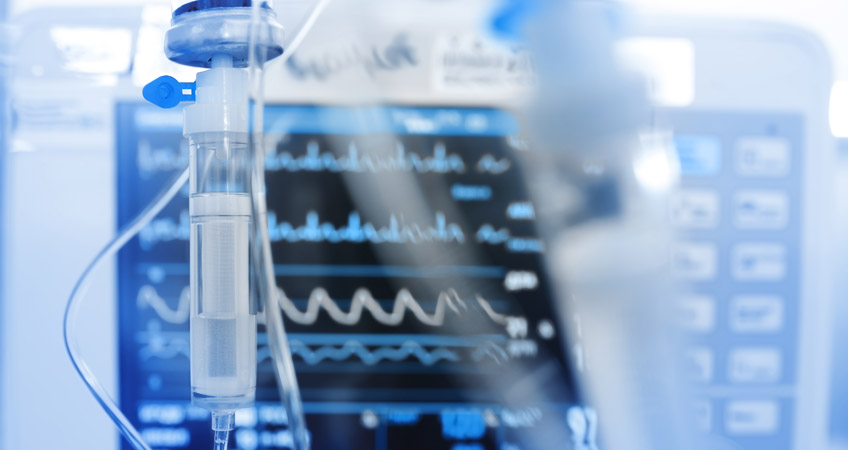
STC designs and manufactures transformers for Class I, Class II, and Class III medical devices. STC transformers are included in a range of medical devices and machines, including those used for medical imaging, diagnosis, monitoring, and treatment. Our experience includes manufacturing transformers for everything from medical beds, MRI machines, CT machines (CAT scanners), PET scanners, Lithotripters, and more.
The transformers types used in medical applications most often include PC-Mount Transformers, Control Transformers, High-Frequency Transformers, and Power Transformers. However, we also produce many other transformer styles.
STC design engineers are capable of designing transformers that meet detailed manufacturing specifications, and we work closely with our customers to ensure our products meet both performance and delivery requirements.
STC Sun Transformer is an ISO 9001 certified engineering and manufacturing company. We are also industry certified to IPC-A-610 (J-STD-001) manufacturing standards. Our magnetics components are used in a wide range of high-reliability applications with demanding specifications and must perform in harsh environmental conditions.
Sun Transformer can design and manufacture control transformers to meet nearly any requirement. For more information about how we can provide your transformer needs, please send us your specifications or call us today!